
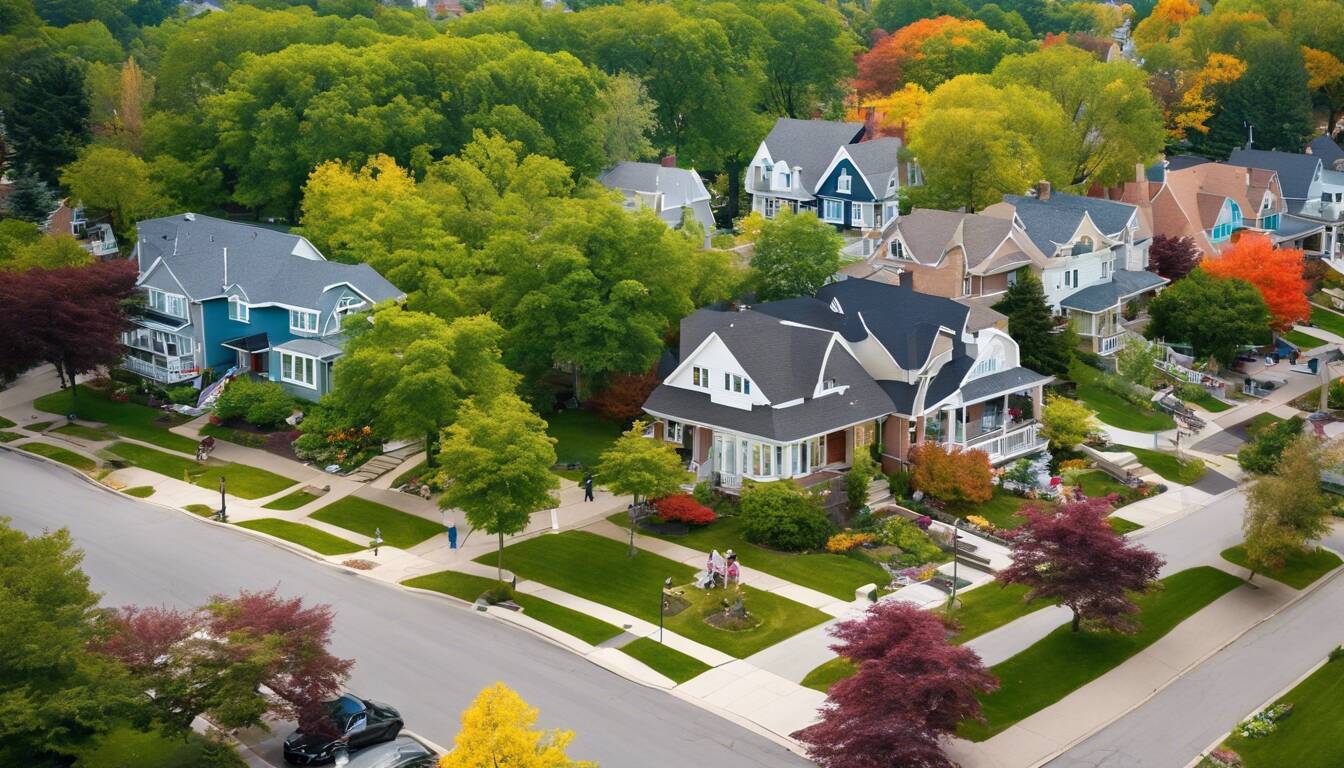
Choosing the right neighborhood is just as important as choosing the right house—especially for families. A good neighborhood provides safety, comfort, and access to essential facilities like schools, parks, and healthcare.
If you’re planning to move with your family, this guide will help you understand what makes a neighborhood ideal and how to choose the best one.
1. Safety and Security
Safety should always be your top priority.
Look for areas that:
- Have low crime rates
- Are well-lit at night
- Have security systems or gated communities
A safe neighborhood ensures peace of mind for you and your family.
2. Quality of Schools
If you have children, nearby schools are very important.
Check for:
- School ratings and reputation
- Distance from your home
- Availability of both public and private schools
Good schools not only help your children but also increase property value.
3. Access to Healthcare Facilities
Emergencies can happen anytime, so it’s important to live near healthcare services.
Make sure the area has:
- Hospitals and clinics nearby
- Pharmacies within easy reach
This ensures quick medical help when needed.
4. Parks and Recreational Areas
Families need space to relax and spend time together.
Look for neighborhoods with:
- Parks and playgrounds
- Walking or jogging tracks
- Sports facilities
These features improve lifestyle and promote a healthy routine.
5. Nearby Shops and Daily Essentials
Convenience matters in daily life.
Choose areas that have:
- Grocery stores
- Markets and shopping centers
- Restaurants and basic services
Having everything nearby saves time and effort.
6. Good Transportation and Connectivity
A well-connected neighborhood makes life easier.
Check for:
- Easy access to main roads
- Public transport options
- Short travel time to work or school
Better connectivity reduces daily stress.
7. Family-Friendly Environment
Some neighborhoods are naturally better for families.
Signs of a family-friendly area:
- Quiet surroundings
- Presence of other families
- Community events and activities
Such environments are ideal for raising children.
8. Future Growth and Development
Think long-term when choosing a neighborhood.
Look for:
- New infrastructure projects
- Increasing property demand
- Upcoming schools or malls
Areas with growth potential can give better returns on investment.
9. Affordable Cost of Living
Make sure the neighborhood fits your budget.
Consider:
- Property prices
- Utility costs
- Maintenance expenses
A good neighborhood should be both comfortable and affordable.
10. Clean and Healthy Environment
A clean environment improves quality of life.
Choose areas that:
- Have proper waste management
- Are less polluted
- Have greenery and open spaces
This is especially important for children’s health.
Final Tips
- Visit the neighborhood at different times of the day
- Talk to local residents
- Check online reviews and ratings
- Compare multiple areas before deciding
Conclusion
The best neighborhood for families is one that offers safety, convenience, and a healthy lifestyle. By focusing on factors like schools, security, and future growth, you can find a place that meets your family’s needs and ensures a better quality of life.