
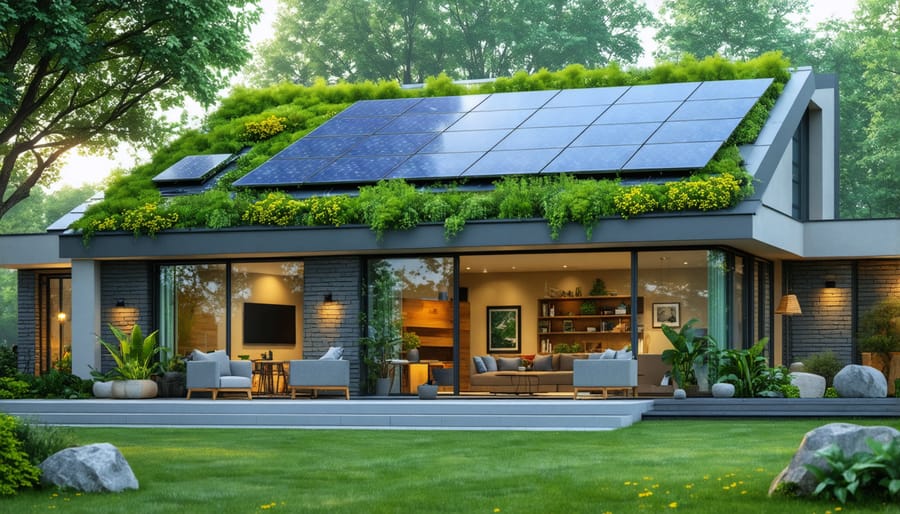
In recent years, the concept of eco-friendly homes has moved from a niche idea to a mainstream priority for homeowners. With growing awareness of climate change and environmental impact, sustainable living is no longer just a trend—it’s a responsibility. An eco-friendly home not only reduces your carbon footprint but can also save money, improve health, and increase property value.
What Are Eco-Friendly Homes?
Eco-friendly homes, also known as green homes, are designed and built with sustainability in mind. They incorporate materials, systems, and practices that minimize environmental impact while maximizing energy efficiency and comfort.
Some key features include:
- Energy-efficient appliances and lighting
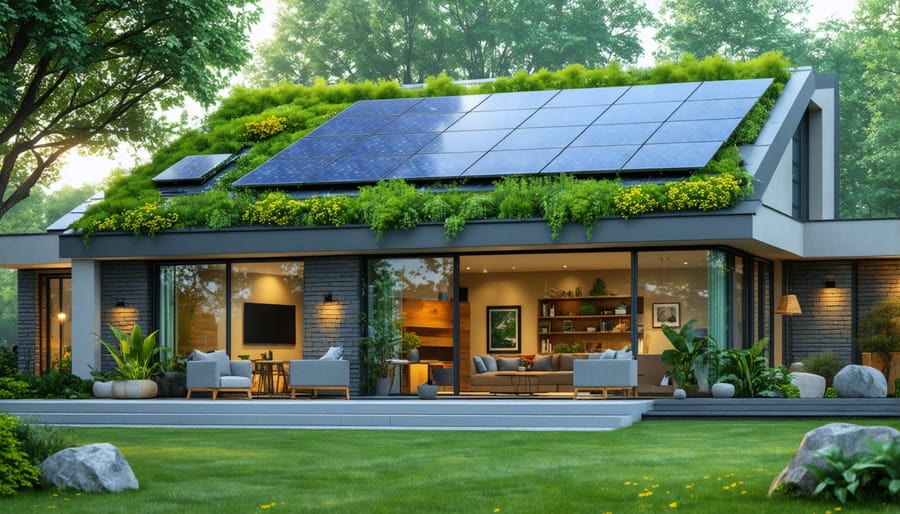
- Renewable energy sources like solar panels
- Sustainable building materials (recycled, reclaimed, or low-impact)
- Water conservation systems such as rainwater harvesting
- Proper insulation and ventilation to reduce energy use
Benefits of Sustainable Homes
Investing in an eco-friendly home has multiple benefits:
1. Lower Energy Bills
Sustainable homes use energy-efficient systems and appliances, reducing electricity and heating costs significantly. Over time, these savings can offset the initial investment in green technology.
2. Reduced Environmental Impact
By using renewable energy and eco-friendly materials, green homes decrease carbon emissions, conserve natural resources, and reduce waste. This helps combat climate change and preserves the planet for future generations.
3. Improved Health and Comfort
Eco-friendly homes often include better air filtration, non-toxic building materials, and natural lighting. This creates a healthier living environment and enhances overall comfort.
4. Higher Property Value
Sustainable homes are increasingly in demand. Buyers are willing to pay more for properties with energy-efficient features and environmentally responsible designs.
Key Elements of Eco-Friendly Homes
Creating a sustainable home involves several important elements:
Energy Efficiency
- Solar panels: Harness renewable energy from the sun.
- Energy Star appliances: Reduce electricity consumption.
- LED lighting: Long-lasting and low-energy usage.
- Proper insulation: Keeps homes warm in winter and cool in summer, reducing heating and cooling costs.
Water Conservation
- Low-flow faucets, toilets, and showerheads reduce water usage.
- Rainwater harvesting systems collect water for landscaping or other non-potable uses.
- Xeriscaping and drought-resistant plants minimize water use in gardens.
Sustainable Materials
- Bamboo, reclaimed wood, and recycled metal reduce the demand for new resources.
- Non-toxic paints and finishes improve indoor air quality.
- Durable materials reduce the need for frequent replacement, lowering waste.
Smart Home Technology
- Smart thermostats and lighting systems optimize energy use.
- Energy monitoring apps allow homeowners to track and reduce consumption.
- Automated irrigation systems conserve water efficiently.
Challenges in Building Eco-Friendly Homes
While the benefits are clear, there are challenges to consider:
- Higher upfront costs: Sustainable materials and systems can be more expensive initially.
- Limited availability of materials or contractors: Not all areas have easy access to green building resources.
- Learning curve: Homeowners must understand and maintain eco-friendly systems properly.
However, these challenges are often outweighed by long-term financial savings, health benefits, and environmental impact.
How to Make an Existing Home More Sustainable
You don’t need to build a new home to go green. Simple upgrades can make a big difference:
- Upgrade to energy-efficient windows and doors.
- Install solar panels or solar water heaters.
- Add proper insulation in walls, roofs, and floors.
- Use programmable thermostats and smart lighting.
- Replace old appliances with energy-efficient models.
Conclusion
Eco-friendly homes and sustainable living are no longer just ideals—they are practical, achievable, and increasingly essential. Whether building a new home or upgrading an existing one, sustainable practices save money, enhance comfort, and protect the environment.
By prioritizing energy efficiency, water conservation, and sustainable materials, homeowners can make a positive impact on both their lives and the planet. Moving toward a green home is not just a lifestyle choice—it’s an investment in the future.